
Why Most Burglaries Happen During the Day
5th Mar 2026
Daytime break-ins are usually about low friction and low visibility — not Hollywood-style night crimes. Here’s why they happen, what burglars look for, and the simple habits that help your home look “not worth it.”
Most homeowners picture burglary as something that happens late at night.
In real life, many break-ins happen during normal daytime hours — when neighborhoods are busy, people are at work, and the most common “witnesses” are distracted. Burglars aren’t looking for drama. They’re looking for quiet minutes and predictable routines.
This post explains why daytime burglary is common, what it looks like in practical terms, and how to reduce the signals that make a home feel easy.
Why Daytime Break-Ins Make Sense to Burglars
Daytime burglaries often happen because:
-
Homes are more likely to be empty (work, errands, school pickups)
-
Movement looks normal (delivery drivers, contractors, neighbors coming and going)
-
Noise is less suspicious (lawn equipment, construction, trash pickup)
-
A quick walk-up feels less noticeable than at night
This connects directly to the core idea from How Burglars Choose Homes to Target (And How to Avoid Standing Out) — burglars often choose what feels easy and low-risk in the moment.

What Daytime Burglary Usually Looks Like
Most daytime burglars don’t “break in” the way people imagine. Instead, many use simple, low-commitment approaches first:
-
They walk up and knock
-
They check for unlocked doors
-
They look for obvious signs no one is home
-
They move on quickly if anything feels uncertain
This is why “easy target signals” matter so much. If you haven’t read it yet,
What Makes a Home Look Like an Easy Target covers the small cues that quietly attract attention.
The Quick-Test Signals Burglars Notice
Burglars often do a fast “scan” before committing:
-
No vehicles + no activity
-
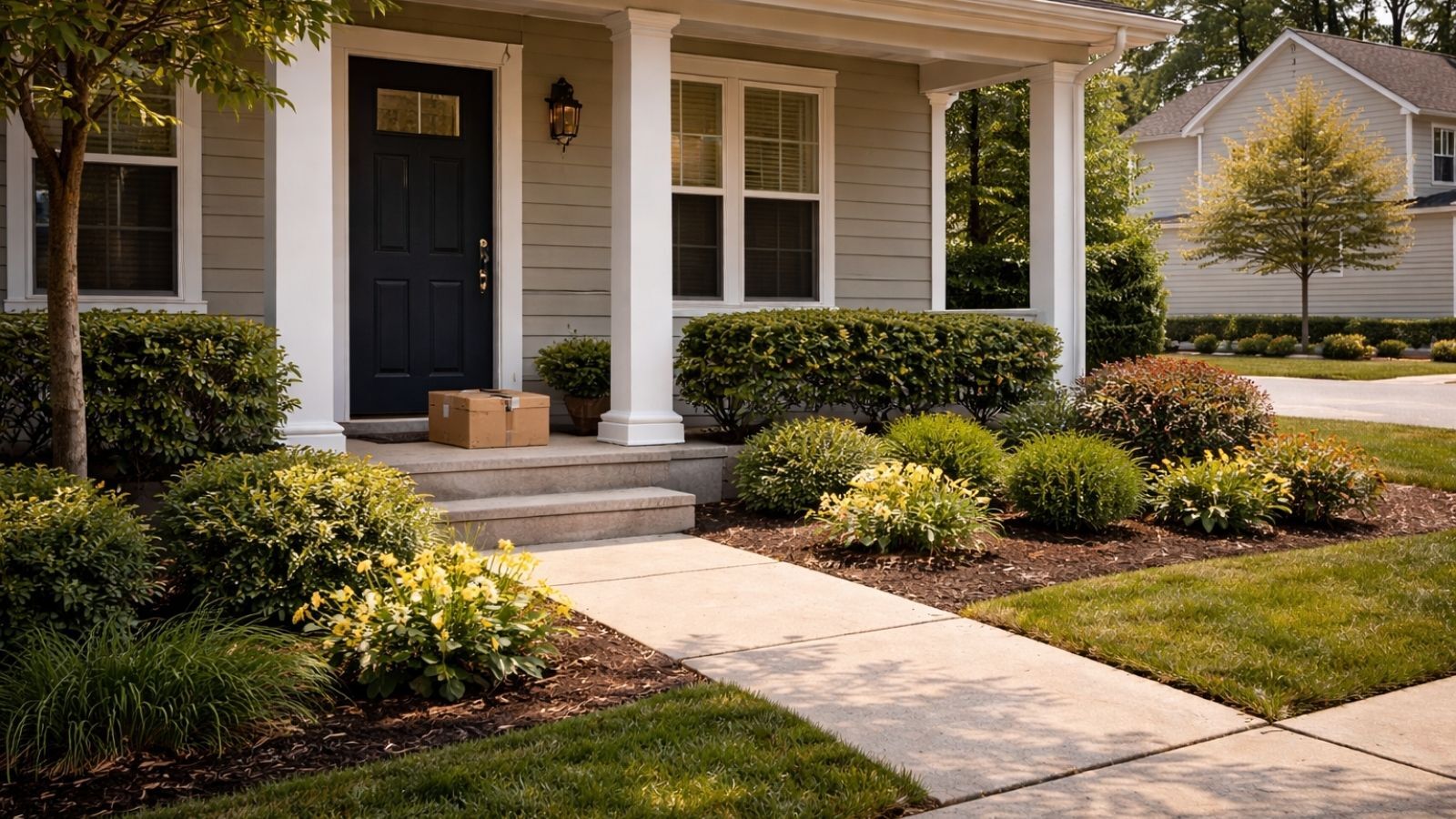
Packages sitting out
-
Mail building up
-
Open visibility into key rooms
-
No exterior lighting consistency (even in daytime, porch fixtures and cameras can change behavior)
The goal isn’t to create a fortress. It’s to avoid projecting “no one’s paying attention.”
For a calm, practical checklist-style approach, your post
Home Security Tips: Practical Ideas to Protect Your Home and Valuables is a strong supporting link for this section.
Why Daytime Burglars Move Fast Once Inside
Once a burglar enters, speed matters more than thoroughness.
Many break-ins are short. That’s why burglars often head to the same predictable “high-yield” areas first — bedrooms, closets, desks, and small containers.
This is exactly what your guide 10 Places Burglars Check First in Your Home (And What They Look For explains in detail.
A good homeowner takeaway is simple:
-
Reduce what’s visible
-
Reduce what’s predictable
-
Reduce what’s easy to grab quickly
Simple Ways to Reduce Daytime Burglary Risk
These are practical, low-stress habits that help your home feel “not worth it”:
-
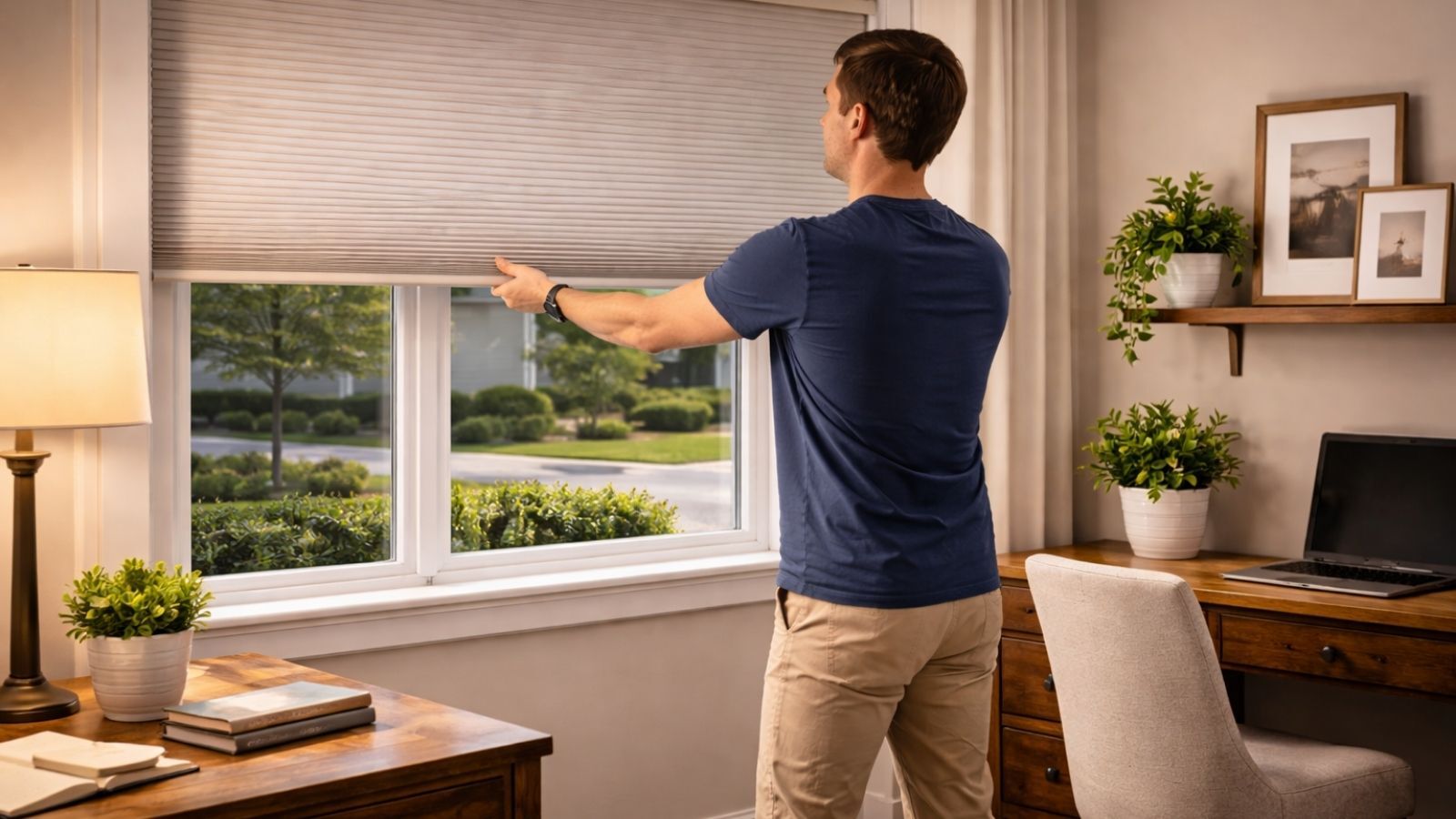
Close window coverings in high-visibility rooms (especially when you’ll be gone)
-
Use a light timer in 1–2 rooms (it’s about normal patterns, not brightness)
-
Keep packages from stacking up (hold deliveries, use a locker, or ask a neighbor)
-
Vary routines when possible (even small changes help)
-
Secure side doors and garage access (common entry points)
If you travel often, the same “reduce visible absence” principle applies — your post
How to Protect Valuables While Traveling: A Practical Home Security Plan is a natural fit here.
Most burglars aren’t looking for a challenge — they’re looking for speed and low risk.
A few small habits that reduce visibility and predictability can make your home far less appealing.