
What Is an Underground Safe? A Practical Guide for Homeowners
13th Feb 2026
Some homeowners prefer security that is visible — cameras, alarms, reinforced doors.
Others prefer protection that stays completely out of sight.
An underground safe is designed for the second approach. Instead of placing valuables inside the home where visibility can create risk, it allows discreet storage below ground level. For families who value privacy, discretion, and long-term protection, this approach offers a different way to think about security.
This guide explains how underground safes work, when they make sense, and what homeowners should realistically consider before installing one.

How an Underground Safe Works
An underground safe is typically:
-
Installed below soil level
-
Weather-sealed
-
Designed to resist moisture
-
Placed in a discreet outdoor location
Instead of relying on concealment inside closets, garages, or drawers, it relies on non-visibility.
The concept is simple:
If something cannot be seen, it is far less likely to be targeted.
Most designs use:
-
Sealed enclosures
-
Protective lids
-
Compact vertical storage shape
-
Placement below normal surface level
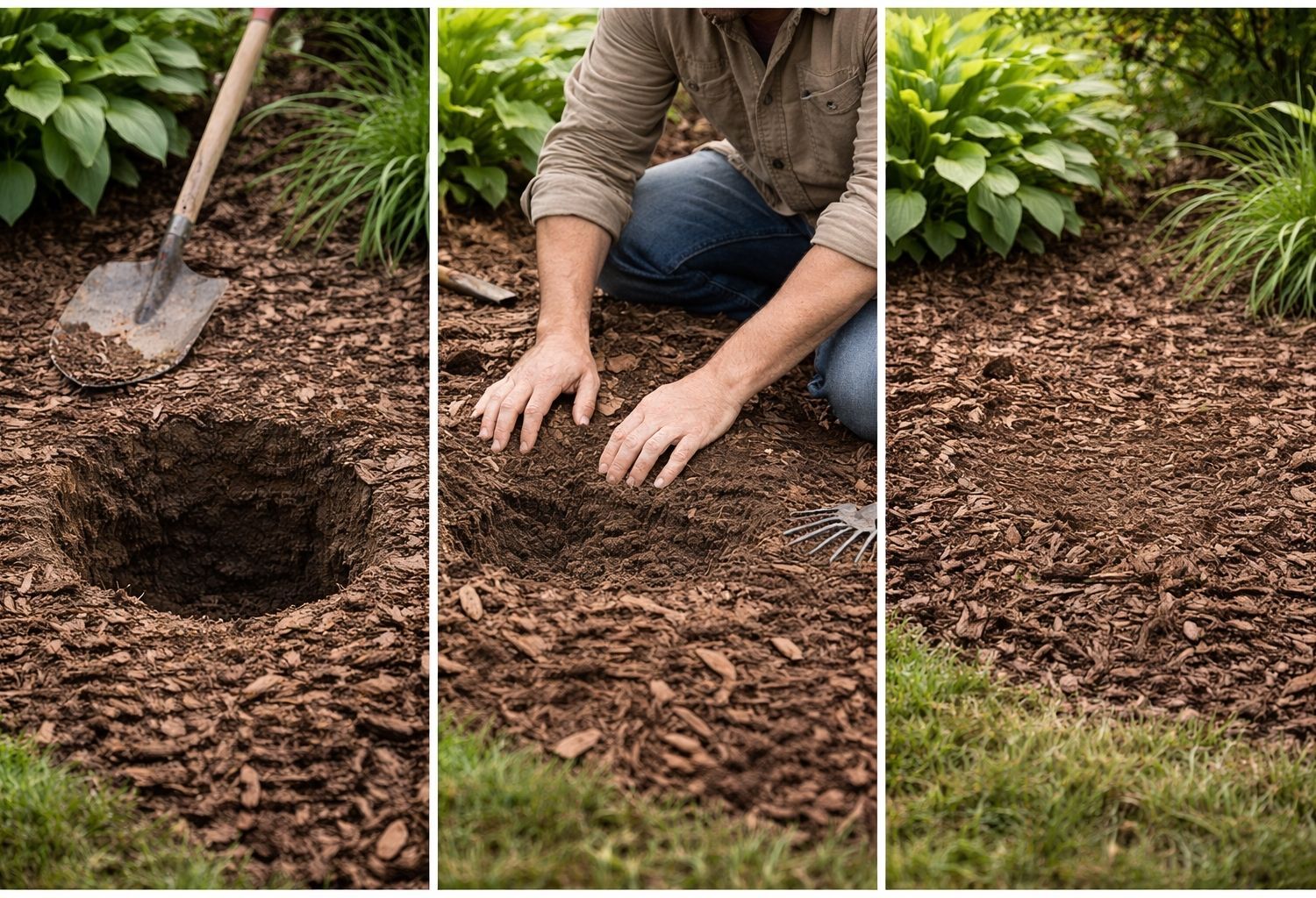
Installation often involves:
-
Digging a narrow, controlled opening
-
Placing the unit securely
-
Restoring the surrounding ground naturally
When installed correctly, it should blend seamlessly into the environment.
Why Some Homeowners Choose Underground Storage
Underground safes are not for everyone. They serve specific needs.
Common reasons include:
-
Reducing in-home visibility risk
-
Storing emergency cash discreetly
-
Protecting small important documents
-
Creating a secondary storage layer
-
Long-term memory preservation
-
Minimizing “grab-and-go” exposure
For homeowners who value layered security, underground storage becomes one piece of a broader strategy.
What an Underground Safe Is Not
It’s important to clarify what underground safes are not:
-
Not a replacement for a monitored alarm system
-
Not a high-capacity vault
-
Not ideal for frequently accessed items
-
Not meant for large bulk storage
They work best for:
-
Small, meaningful, high-importance items
-
Long-term storage
-
Discreet backup protection
Being realistic about use cases is key.
Installation Considerations
Before installing any underground storage solution, homeowners should think through:
-
Drainage and soil type
-
Ease of future access
-
Natural concealment
-
Yard traffic patterns
-
Property regulations
Moisture protection and sealing are especially important in areas with:
-
Heavy rainfall
-
Snow accumulation
-
Irrigation systems
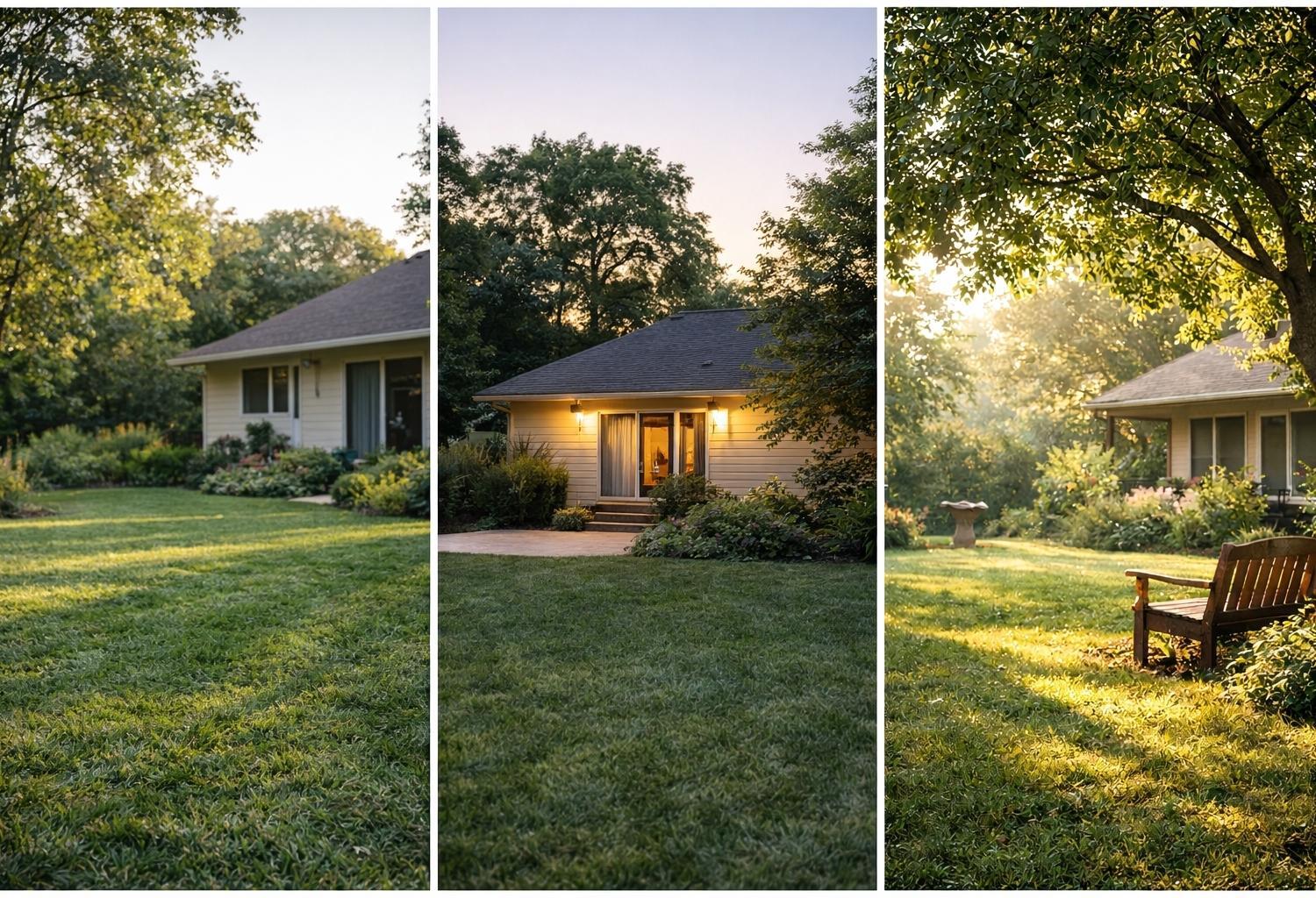
Planning placement thoughtfully ensures both protection and practicality.
Advantages of Underground Storage
When used appropriately, underground safes offer:
-
Reduced visibility risk
-
Natural concealment
-
Separation from interior living spaces
-
Discreet long-term storage
-
Peace of mind during travel
For some homeowners, that added layer — outside the primary home footprint — provides reassurance.
When It Makes Sense
An underground safe may be appropriate if:
-
You prefer low-visibility security
-
You travel frequently
-
You want a secondary backup location
-
You value discretion over display
-
You want long-term storage outside interior rooms
It may not be necessary if:
-
Your current system already meets your comfort level
-
You need high-frequency access
-
You require large capacity storage
Security is personal. The right solution depends on how you think about risk. As part of a broader outdoor security strategy see Outdoor Security Strategy guide
Final Thoughts
Underground safes represent a quiet form of protection.
They are not dramatic.
They are not obvious.
They are not designed to be seen.
For homeowners who prefer layered, discreet security, they can become a practical addition to an overall protection strategy.
If you're exploring options, focus first on clarity:
-
What are you protecting?
-
How often will you access it?
-
Do you prefer visibility or invisibility?
-
How important is discretion in your security plan?
Understanding your priorities makes choosing the right solution much easier.
If you travel frequently, you may also want to review our travel protection guide.
Related Reading
- How to Build a Simple Emergency Cash Reserve at Home
Why Hiding Emergency Essentials Inside Your Home Isn’t Enough Anymore
Emergency Preparedness at Home: How to Create a Hidden Backup Stash