
The Best Way to Store Important Documents at Home (And What Most People Overlook)
24th Feb 2026
Storing important paperwork isn’t something most people think about until they urgently need it.
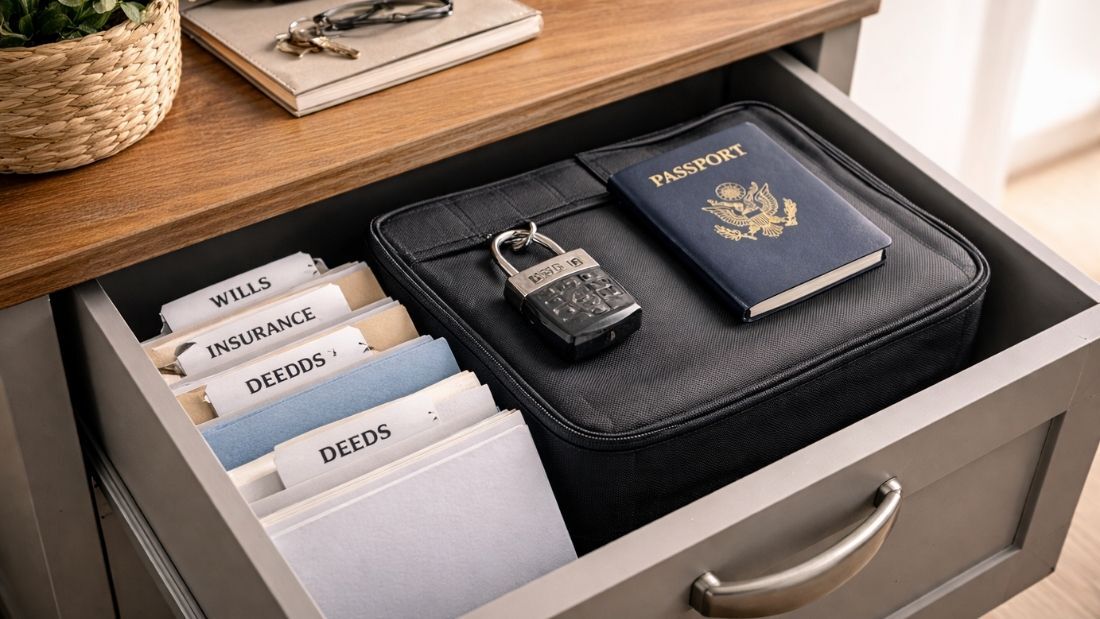
Birth certificates. Property deeds. Insurance policies. Passports. Wills. Tax returns.
The best way to store important documents at home isn’t just about organization. It’s about protecting them — from fire, water, theft, and simple visibility.
Many homeowners assume placing documents in a drawer, file cabinet, or even a small safe is enough. In reality, secure document storage requires thinking through risks most people overlook.

Let’s look at what actually works.
Why Document Storage at Home Deserves More Thought
When people search for document storage, they often mean commercial archive services. But document storage at home is different.
At home, the risks are practical and personal:
-
Fire damage
-
Water damage from plumbing leaks or flooding
-
Theft during a break-in
-
Loss during travel or emergency evacuation
-
Over-reliance on digital-only backups
Secure document storage isn’t about fear. It’s about clarity.
The Biggest Risks Most Homeowners Overlook
Fire Spreads Faster Than You Think
Standard filing cabinets offer no fire protection. Even inexpensive safes may protect paper only for a short duration.
Paper documents ignite quickly. Fire-rated containment matters more than most people realize.
Water Is Often the Silent Threat
Basements flood. Pipes burst. Fire suppression systems soak everything.
Water damage can destroy documents just as completely as fire — especially for long-term document storage.
Visibility Equals Vulnerability
This is where most people miss the mark.
If important papers are stored:
-
In obvious filing cabinets
-
In bedroom drawers
-
Inside predictable closet boxes
-
In a visible small safe
They remain part of the typical “search zone” during a break-in.
Security isn’t just about thickness of steel. It’s about reducing predictability.
If you want to understand how document protection fits into a broader system, read
Outdoor Security Strategy: A Layered Approach for Homeowners
Where to Store Important Documents (Practical Options)
When homeowners ask where to store important documents, the answer depends on usage frequency and risk tolerance.
Documents You Rarely Access
Examples:
-
Birth certificates
-
Property deeds
-
Vehicle titles
-
Legal paperwork
Best practices:
-
Use a waterproof, fire-rated container
-
Keep them organized in protective sleeves
-
Avoid obvious or centralized storage areas
-
Consider separating duplicates
Documents You Access Occasionally
Examples:
-
Insurance policies
-
Medical records
-
Current tax paperwork
Best practices:
-
Maintain discreet but accessible placement
-
Keep digital backups
-
Protect against water exposure
Document storage should not stand alone. It should align with other preparedness steps, like those outlined in
How to Build a Simple Emergency Cash Reserve at Home.
When planning is integrated, stress drops dramatically during real events.
Should You Rely on Digital Copies Alone?
Digital redundancy is essential — but incomplete.
Yes, you should:
-
Scan key documents
-
Store encrypted digital copies
-
Use secure cloud storage
-
Maintain an offline encrypted backup
But digital files do not replace original documents in many legal and identity situations.
The best way to store important documents combines:
-
Physical protection
-
Discreet placement
-
Digital backup
That is what secure document storage truly looks like.
What Most People Overlook
The biggest mistake in document storage at home isn’t lack of protection.
It’s predictability.
Most homes organize paperwork in the same locations:
-
Office desks
-
Filing cabinets
-
Bedroom drawers
-
Closet storage boxes
True secure document storage reduces predictability while maintaining access.
If you’re considering concealment strategies more broadly, read
Hidden Safe Ideas: Practical Ways to Protect What Matters Most
for additional placement concepts.
Planning for Travel or Extended Absence
Document storage becomes even more important when you’re away from home.
When houses sit unattended:
-
Routine patterns become predictable
-
Visibility increases risk
-
Storage zones may become easier targets
If you travel frequently or leave for extended periods, your document storage should fit into your broader security strategy.
For a deeper look at protecting valuables during absence, see
How to Protect Valuables While Traveling: A Practical Home Security Plan

A Simple Framework for Secure Document Storage
Here’s a practical, balanced approach:
1. Categorize
Separate irreplaceable originals from replaceable paperwork.
2. Protect
Use fire-rated and waterproof containment.
3. Reduce Visibility
Avoid obvious, centralized storage areas.
4. Create Redundancy
Maintain encrypted digital copies.
5. Integrate With Your Broader Plan
Align document storage with layered home security and emergency planning.
When these steps work together, document storage becomes intentional instead of reactive.
Related Reading
-
Outdoor Security Strategy: A Layered Approach for Homeowners
-
Hidden Safe Ideas: Practical Ways to Protect What Matters Most
-
How to Build a Simple Emergency Cash Reserve at Home
-
How to Protect Valuables While Traveling: A Practical Home Security Plan
Final Thoughts
The best way to store important documents isn’t complicated — but it does require intention.
Secure document storage at home should account for:
-
Fire
-
Water
-
Theft
-
Predictability
-
Travel absence
-
Digital backup gaps
When you reduce visibility and add layered protection, you remove uncertainty from your household.
That clarity is worth more than simple organization.