
How to Protect Valuables While Traveling: A Practical Home Security Plan
13th Feb 2026
Travel should feel relaxing — not stressful.
Yet many homeowners quietly worry about what they’re leaving behind. Jewelry, documents, emergency cash, small heirlooms, and important records often remain inside the home while the property sits unoccupied.
Protecting valuables during travel is less about dramatic measures and more about thoughtful preparation. A layered, discreet approach helps reduce risk while keeping your home looking normal and lived-in.
This guide walks through a practical strategy you can implement before your next trip.
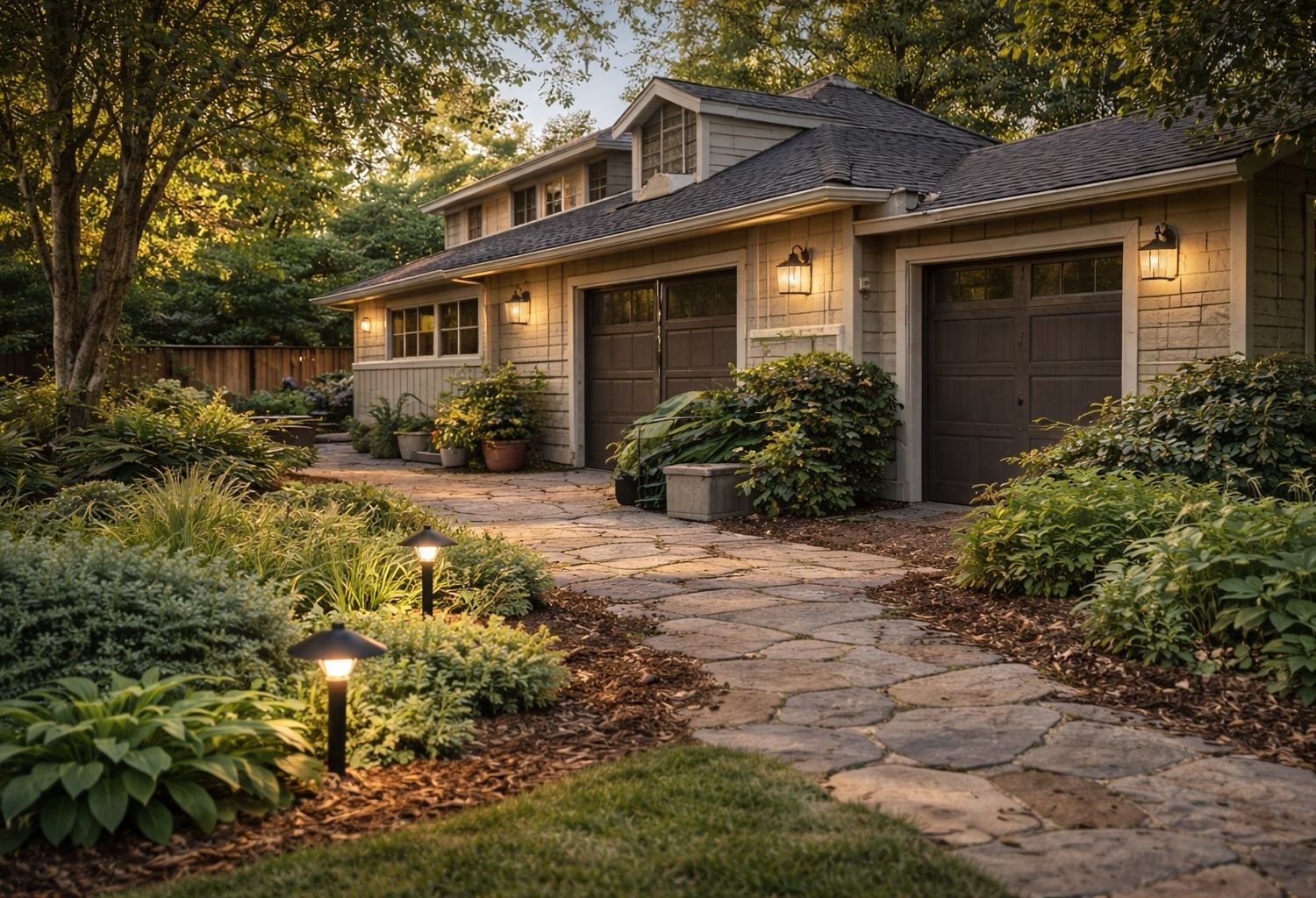
1. Reduce Visible Signals of Absence
The first step in travel protection is limiting visible cues that suggest no one is home.
Before leaving:
-
Pause or redirect package deliveries
-
Arrange mail collection
-
Avoid social media posts that announce extended travel
-
Set interior lights on varied timers
-
Maintain normal exterior lighting patterns
The goal is simple: make the home appear occupied.
Even small adjustments significantly reduce exposure risk.
2. Avoid Concentrated Storage in One Location
Many households keep important items in a single visible location — a dresser drawer, closet safe, or office cabinet.
While convenient, this creates concentrated risk.
Instead, consider:
-
Dividing small valuables between locations
-
Separating documents from cash storage
-
Using discreet, low-visibility placements
-
Avoiding obvious “primary” storage areas
Layering locations makes opportunistic access more difficult.
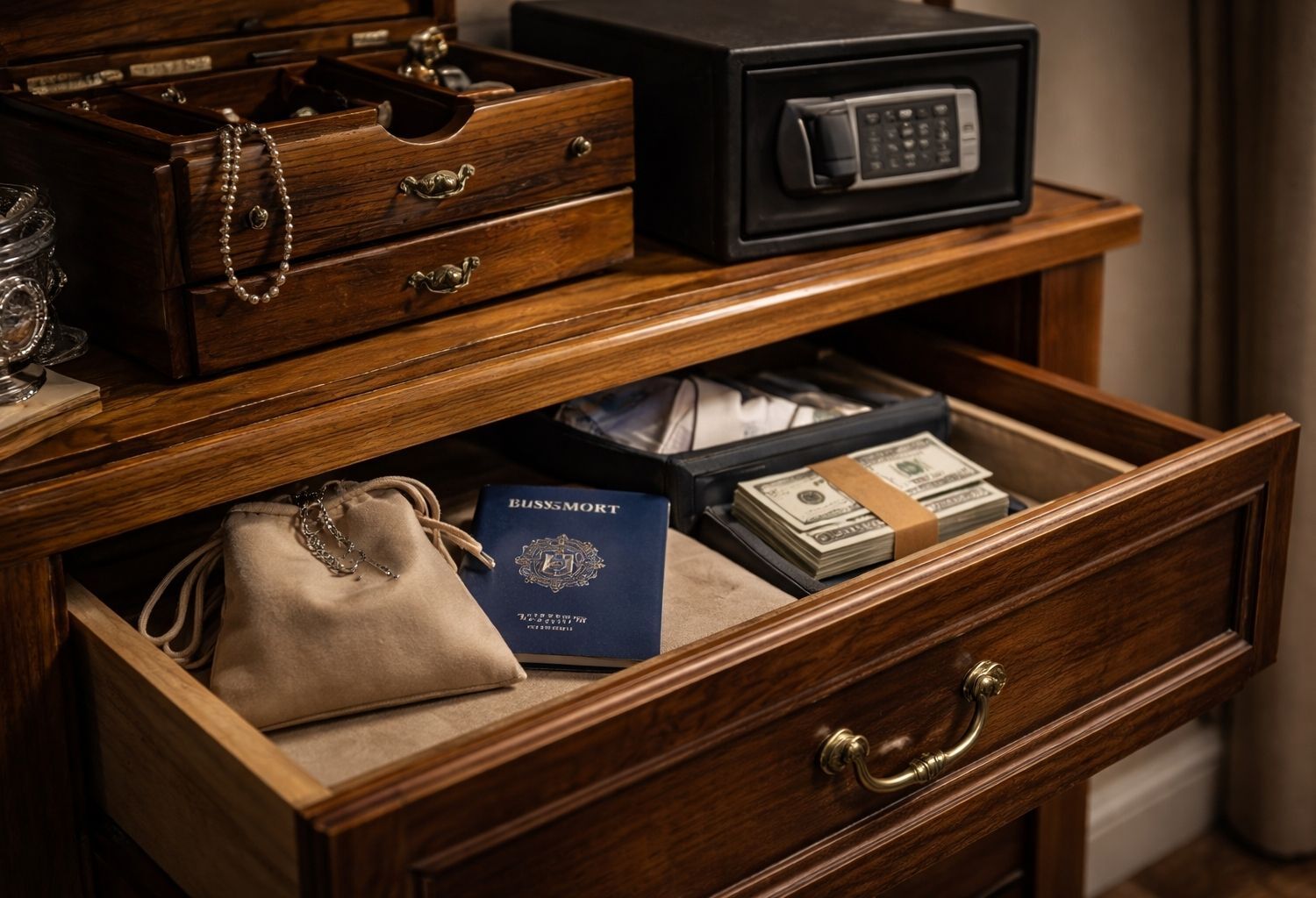
3. Evaluate Interior Visibility
Walk through your home as if you were viewing it from outside.
Ask yourself:
-
Can valuables be seen through windows?
-
Are office desks or jewelry boxes visible from common sightlines?
-
Are garage contents visible when the door opens?
If so, minor adjustments can help:
-
Close blinds during extended absence
-
Store visible valuables out of line-of-sight
-
Relocate portable high-value items
Travel protection begins before anyone enters the home.
4. Consider Secondary Storage Outside Primary Living Areas
For some homeowners, adding separation between daily living space and select valuables provides additional peace of mind.
This may include:
-
Weather-sealed outdoor storage
-
Discreet placement outside interior rooms
-
A concealed secondary location not immediately visible inside the home
When layered thoughtfully, separation reduces the risk of concentrated exposure.
For a broader explanation of how underground storage works, see our detailed guide on underground safe concepts.
5. Secure Outdoor Equipment Before You Leave
Travel vulnerability often begins outside.
Before departure:
-
Lock sheds and storage boxes
-
Secure ladders and tools
-
Remove visible yard equipment
-
Store portable items out of view
Outdoor tools left unsecured can provide access points or signal vacancy.
A secure perimeter supports interior protection.
6. Think in Layers, Not Panic
Effective travel security does not require drastic measures.
Instead, focus on:
-
Visibility control
-
Divided storage
-
Subtle lighting
-
Normal routine patterns
-
Discreet secondary placement
Layered protection reduces exposure without making your home look unusual.
Final Thoughts
Travel should feel restful.
A calm, structured plan helps ensure that when you leave, your home remains protected in your absence.
Before your next trip, take 30 minutes to:
-
Walk your property
-
Identify visible valuables
-
Divide critical items
-
Secure outdoor equipment
-
Confirm lighting patterns
Small, thoughtful actions create meaningful protection.
For homeowners interested in building a layered approach that includes discreet outdoor placement, explore our Outdoor Security Strategy guide for a broader framework.
Related Reading
- Hidden Safe Ideas: Practical Ways to Protect What Matters Most
-
Why Hiding Emergency Essentials Inside Your Home Isn’t Enough Anymore
-
A Beginner’s Guide to Home Security for New Homeowners