
Deterring vs Stopping a Burglar: Why Visibility Matters More Than Strength
21st Mar 2026
Most home security succeeds before a burglar ever tries the door. Understanding the difference between deterrence and resistance helps homeowners focus on the changes that actually reduce risk.
When people think about home security, the first instinct is often strength — stronger doors, heavier safes, thicker locks, or more technology.
Those tools certainly have value. But in many real-world situations, the most effective protection happens before someone ever decides to approach the home at all.
Burglars typically look for opportunity, speed, and low risk. When something about a property suggests attention, visibility, or uncertainty, many simply move on to the next option.
Understanding the difference between deterrence and resistance helps homeowners make smarter security decisions without feeling overwhelmed.
Deterrence vs Resistance
These two ideas are often confused, but they serve different roles.
Deterrence discourages someone from targeting the home in the first place.
Resistance slows someone down after they have already committed to entering.
Examples help clarify the difference.
Deterrence examples:
• Visible lighting
• Signs of daily activity
• Well-maintained property
• Limited visibility into valuables
Resistance examples:
• Reinforced doors
• heavy safes
• locking cabinets
• security hardware
Both can be helpful. But deterrence is often the first and most important layer.
Our earlier article How Burglars Choose Homes to Target (And How to Avoid Standing Out) explains how burglars frequently scan neighborhoods looking for homes that feel easier than others nearby.
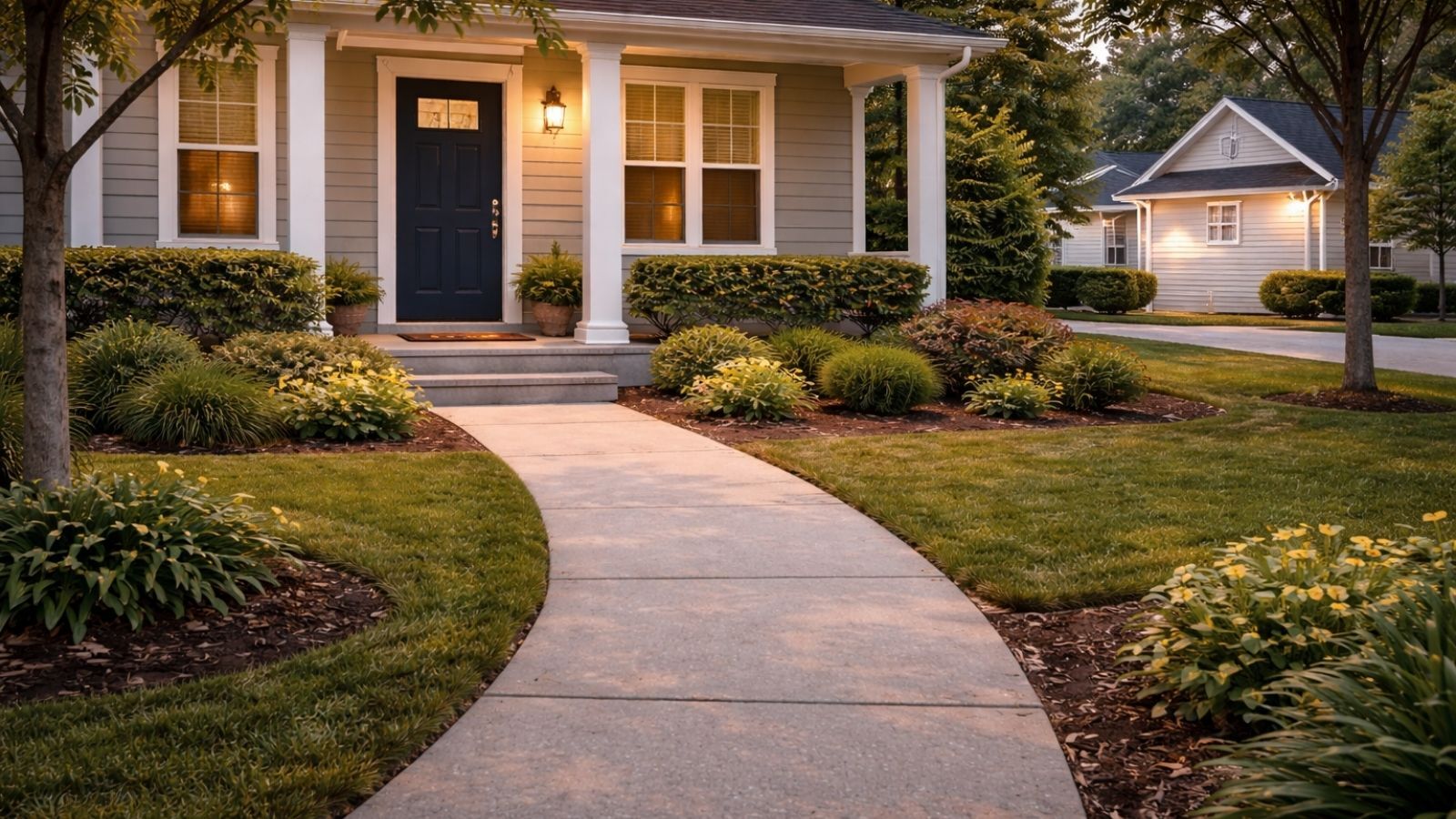
Why Visibility Changes Behavior
Burglars generally want the fastest possible outcome.
Anything that increases uncertainty can cause hesitation:
• neighbors nearby
• lights turning on automatically
• movement around the property
• limited visibility into rooms
This doesn’t mean homes need to look heavily secured. In many cases, simply looking lived in and attentive is enough.
The article What Makes a Home Look Like an Easy Target explores how everyday signals — like packages, empty driveways, or open window visibility — can unintentionally attract attention.
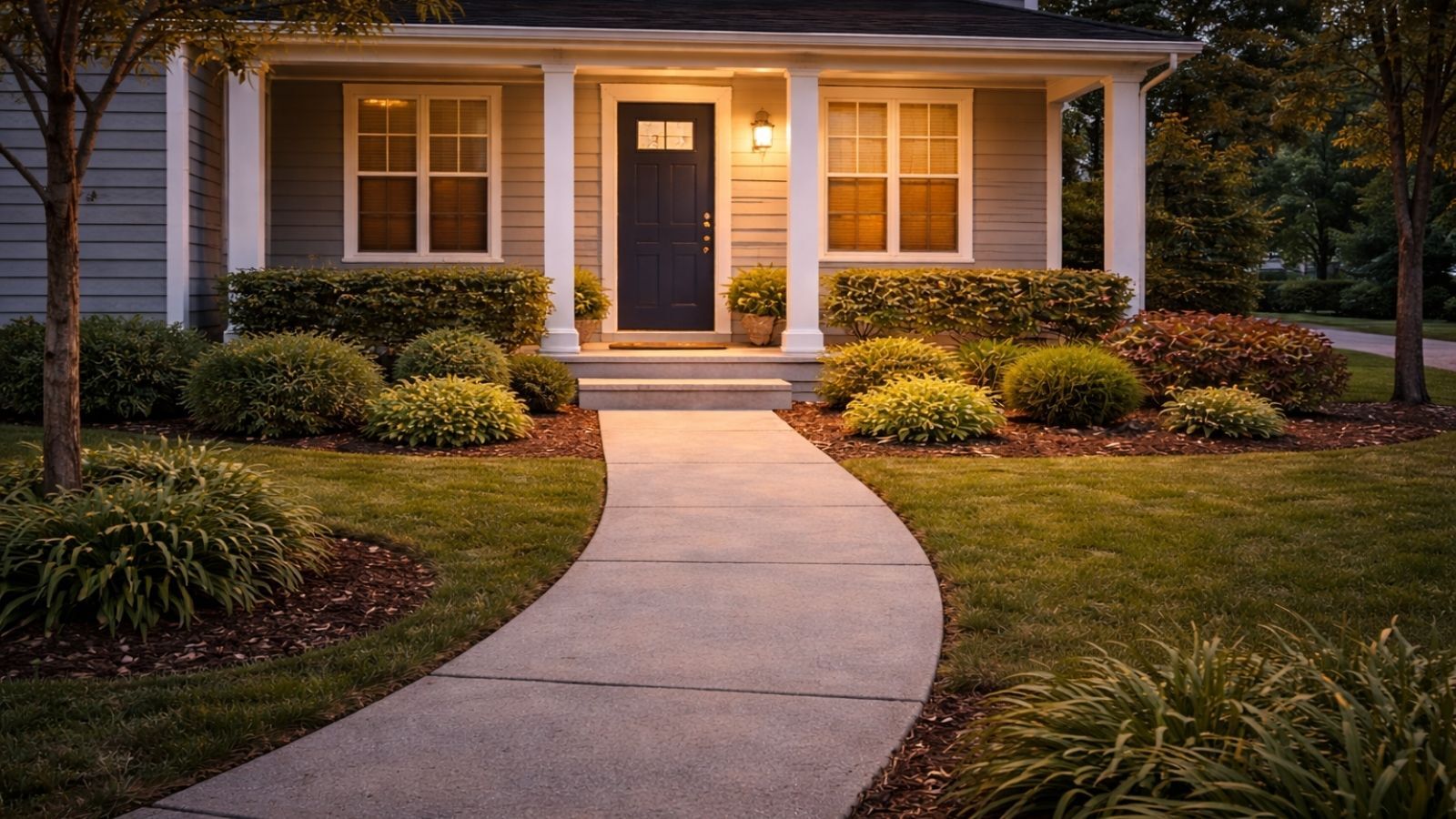
Image Placement Instructions
Place Blog Image 2 here
Alt text:
well-lit residential entryway with clear view from the street creating natural visibility and deterrence
Why Strength Alone Isn’t Always Enough
If a burglar already decides to enter, strength and resistance become more important.
But relying only on strength has limits.
A determined person may still search quickly through familiar locations such as bedrooms, closets, and desks.
This is why understanding where burglars typically look first can be helpful. Our guide 10 Places Burglars Check First in Your Home (And What They Look For) explains the most common areas thieves search during short break-ins.
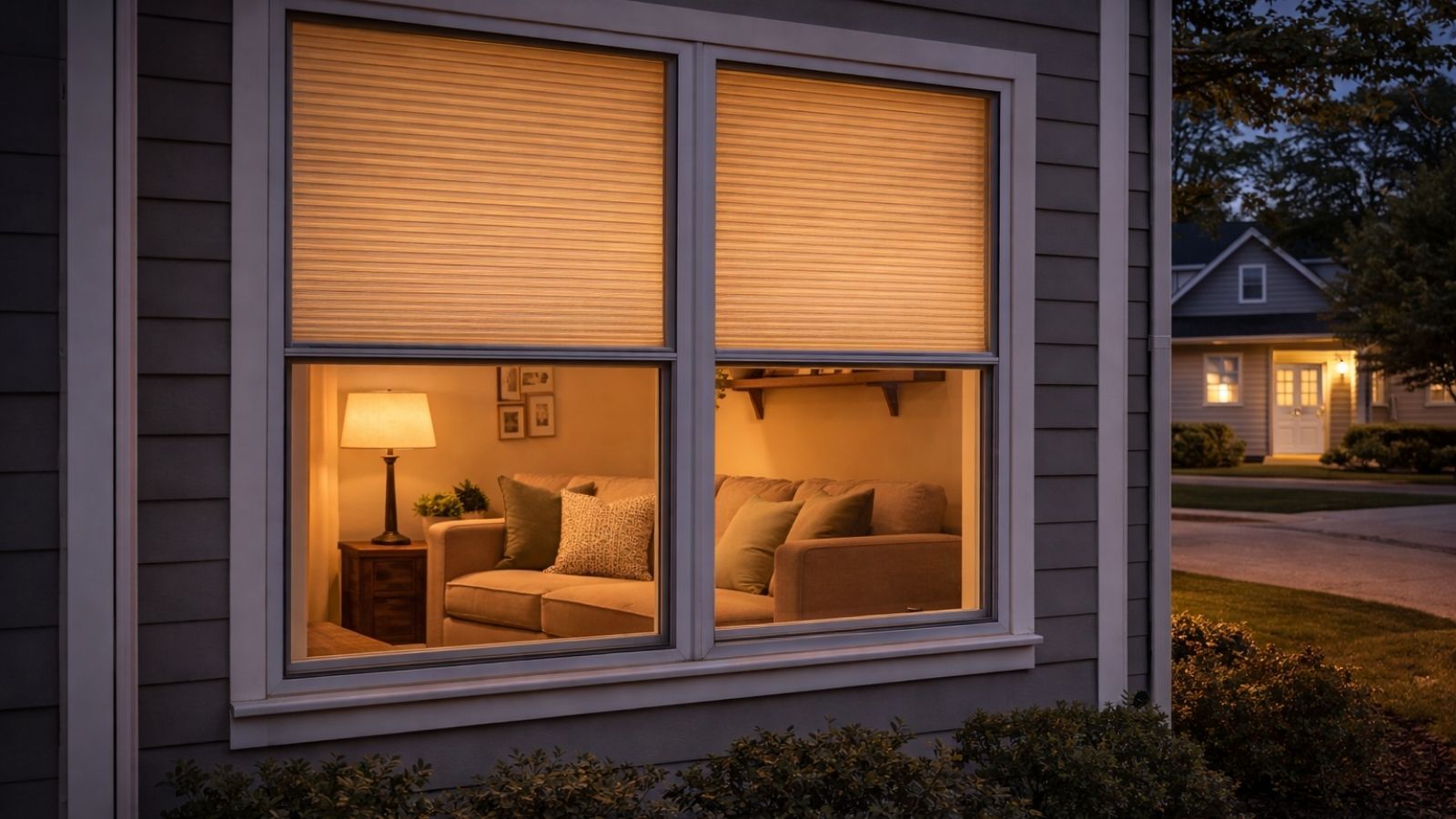
Reducing what’s visible and predictable can prevent valuables from becoming easy targets.
Building a Layered Security Approach
The strongest home security plans combine multiple simple layers rather than relying on a single tool.
For many households, this includes:
• consistent exterior lighting
• clear visibility around entrances
• limiting visible valuables inside
• maintaining normal daily activity patterns
Our article Outdoor Security Strategy: A Layered Approach for Homeowners provides a deeper breakdown of how these layers work together.
The goal isn’t to create a fortress. It’s to create a home that doesn’t stand out as an easy opportunity.
The most effective security often happens before a burglar ever approaches the home.
Reducing visibility and predictable patterns helps discourage problems before they begin.
Explore discreet storage options designed for long-term protection.
>